


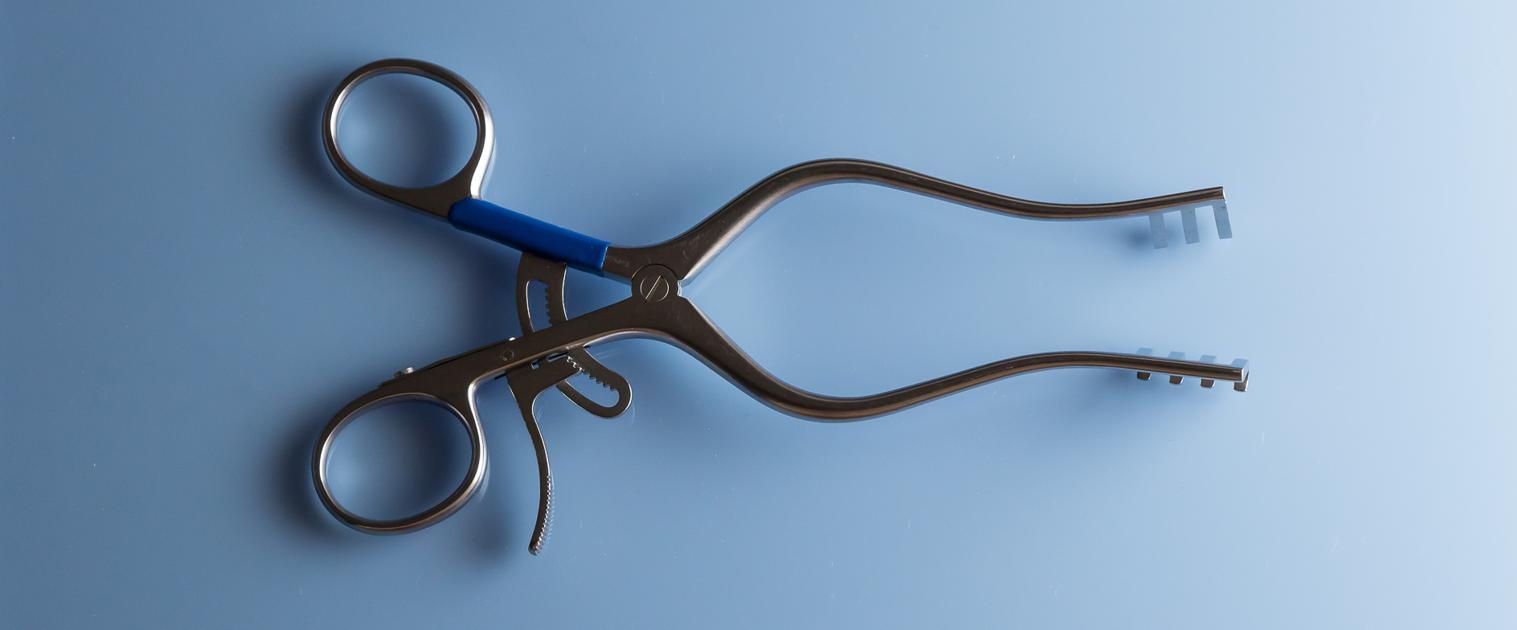
February 1, 2023 - Individual instrument tracking sounds straightforward: attach a tag to an instrument and read it reliably. In practice, it’s one of those engineering problems that looks simple until you try to make it survive real sterile processing, real OR workflows, and real instrument geometries.
The Surround Tag is our answer to that problem. It’s different RFID tag, but it's also a different philosophy about how tags should fail, how they should be inspected, and what it takes to make instrument-level data trustworthy.
Many companies have tried tagging instruments, and yet, the only hospitals in the US with RFID-tagged instruments are those applied by Mente. Previous approaches rely on attaching tags with adhesives. The weakness is not just that adhesives can fail, it’s that there’s typically no clear indication of when they will fail.
That matters because adhesive failure doesn’t happen in a controlled setting. It can happen during handling, cleaning, sterilization, or in the worst case, in the operating room. Tag detachment in the OR is the kind of event that turns a tracking program from “useful” to “unacceptable” in one day.
The Surround Tag uses an encapsulant that makes a full wrap of the instrument in at least one axis. That design choice has changed everything for us.
Instead of relying on adhesive bond strength as the primary line of defense, the tag is mechanically reinforced by the geometry of the wrap. If the tag ever becomes damaged, the failure mode is also different: damage manifests as the coating being compromised, which is visible in sterile processing well before any catastrophic detachment could occur. That gives teams a predictable inspection point and prevents “surprise failures” entirely.
It turns tag safety into something you can see and manage, not something to be discovered in the operating room.
We are the first company to build this style of tag around a thermoplastic rather than a thermoset.
Thermosets (like epoxies) can perform well initially, but sterilization is unforgiving. Repeated autoclave cycles drive embrittlement and cracking over time. Thermoplastics, when chosen and processed correctly, can resist sterilization cycles without the same embrittlement profile, and that durability difference compounds over thousands of cycles.
Tag attachment needs to be trusted, and that requires the durability of thermoplastics.
We design and manufacture these tags internally for two reasons:
Paired with a Mente reader, the Surround Tag achieves several feet of range. That range is what unlocks our ability to measure usage at the surgical site and completely avoid manual scanning that reverts usability to that of a barcode. To capture reliable intraoperative usage data, you need a tag and reader system built for that environment.
Attaching one component to another sounds like a solved problem until you look at the constraints. There are very few variables you can change:
Instruments aren’t uniform. A tag strategy that works for one family of tools often breaks on another.
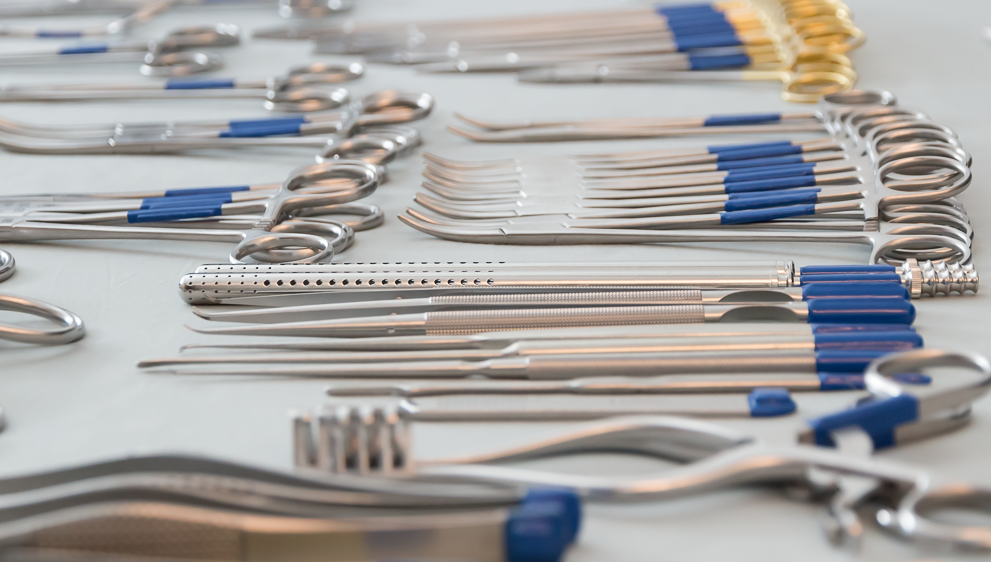
We attach our tags to the handling end of the instrument, which allows us to fit into several geometries without touching the business end of the tool. Even then, “one shape” isn’t enough. We designed a variety of tag shapes that can be selected based on the instrument being tagged. That flexibility is part of what makes a real deployment possible across broad trays, not just a curated subset of instruments.
Our current Surround Tags are designed to stay attached for the lifetime of an optimization. They live on the instrument during the program, then they’re removed afterward. That’s intentional. It gives hospitals a clean way to run an optimization project without committing to lifetime tagging immediately.
At the same time, we’re building what comes next: the Forever Tag. This is our next-generation tag concept using even more advanced thermoplastics, designed to require no maintenance and last for the lifetime of the instrument. That’s the direction we think the industry needs: instrument tracking that can go beyond tray optimization to drive instrument management throughout the surgical life cycle.
Mente is a surgeon-founded company building a data-driven operating room. We capture instrument usage automatically, then use that evidence to help hospitals and sterile processing teams supply fewer instruments while preserving clinical functionality and surgeon satisfaction.




© 2025 mente Inc. All right reserved.
