


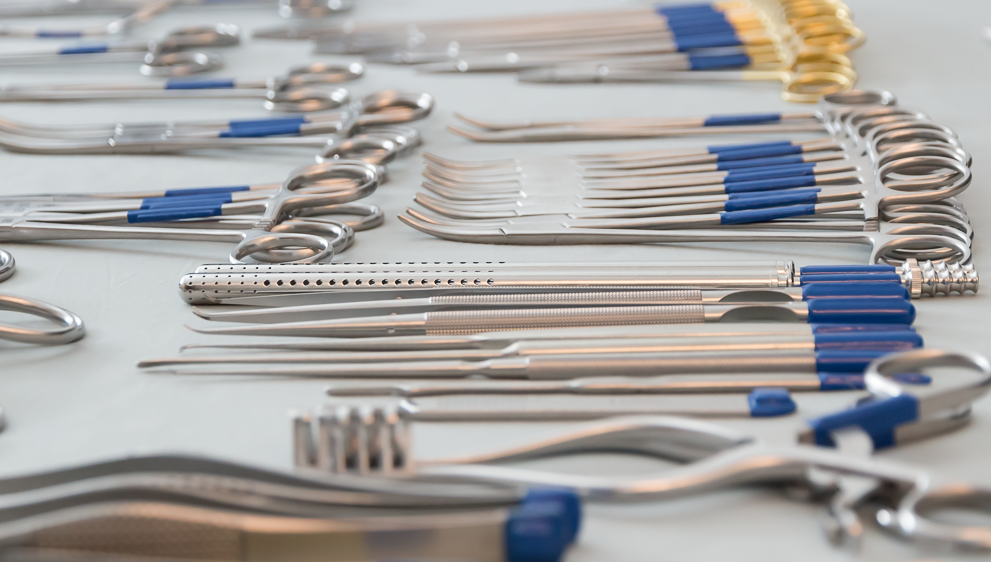
Mente surround tags are designed to stay on stainless surgical instruments as they move through normal hospital reprocessing. That only works if the tags can be cleaned using the same automated washer processes hospitals already rely on, without creating special handling steps.
To validate this, we sent Mente RFID surround tags to HIGHPOWER Validation Testing & Lab Services (VTLS), an independent lab with deep experience running cleaning validations. HIGHPOWER performed simulated-use mechanical cleaning validation and issued final reports evaluating residual protein and hemoglobin after automated washing.
ANSI/AAMI ST98 is a widely used standard for validating cleaning processes for reusable items. Even though Mente tags do not fit the definition of a medical device (similar to KeyDot), we chose to test them to the same standards as a Class I Device.
To decide what wash cycle to validate against, we reviewed IFUs from stainless instrument manufacturers and pulled out the most conservative constraints, including the shortest cycles and lowest temperatures. This enabled us to build a washer cycle that would enable facilities to continue processing instruments according to the manufacturer IFUs, regardless of which manufacturer may be their prime vendor.
HIGHPOWER used a worst-case approach to both soiling and cleaning. Tags were attached to instrument coupons and soiled in difficult-to-clean locations. The soil was allowed to dry before cleaning to represent a challenging, realistic condition. The cleaning validation also used conservative parameters, including minimum effective detergent concentration and low cleaning temperatures within recommended ranges.
Testing included repeated simulated use prior to cleaning efficacy evaluation, reflecting the reality that tags will go through reprocessing repeatedly over time.
In HIGHPOWER’s reports, samples met acceptance criteria for both protein and hemoglobin residuals after automated washing, and there was no visible soil observed after cleaning. The reported residual values in the efficacy runs were well below the stated acceptance thresholds.
This validation was intended to answer a practical question: can the tags be cleaned through automated washer cycles without forcing facilities to change how they reprocess instruments?
Based on HIGHPOWER’s reports to ST98 standards, Mente surround tags were demonstrated to be cleanable through automated mechanical cleaning under conservative, worst-case conditions. That supports keeping current sterile processing workflows intact, while allowing facilities to capture instrument-level data without introducing reprocessing exceptions.
Mente is a surgeon-founded company building a data-driven operating room. We capture instrument usage automatically, then use that evidence to help hospitals and sterile processing teams supply fewer instruments while preserving clinical functionality and surgeon satisfaction.



© 2025 mente Inc. All right reserved.
