Mente Medical is a surgical tray optimization company founded on a simple observation: surgical trays are often overfilled and inefficient. The company was founded by a Duke neurosurgeon who saw this problem firsthand in daily practice and recognized an opportunity to make operating rooms safer, more efficient, and more cost-effective. The Mente team developed a system that uses RFID tags to track instrument usage during procedures, giving hospitals clear insight into which tools are actually used and which are not. What they later realized was that improving efficiency also had a powerful environmental impact by reducing water and energy use and making operating rooms more sustainable.
The environmental impact of healthcare is extensive and often overlooked. Healthcare now accounts for 8.5% of U.S. carbon emissions and 4.4% of global carbon emissions, a footprint comparable to the airline industry. Within hospitals, operating rooms are among the largest contributors to waste. A single surgical procedure can generate between 2 and 14 kilograms of waste, with more complex procedures producing even more. This waste comes from many sources, including supplies, linens, drapes, unnecessary disposable items, and the preparation and use of surgical instruments. Even before an instrument is used, waste is created through packaging and sterilization materials such as the blue wrap used to enclose surgical trays. When trays contain excess instruments, those items still require handling, cleaning, sterilization, and wrapping, adding to both material waste and overall resource use over time.
Beyond material waste, surgical departments use substantial amounts of water to support routine operations. A single surgical procedure can consume hundreds of liters of water through instrument cleaning and sterilization, scrubbing and handwashing protocols, equipment cooling systems, and the daily cleaning and maintenance required to maintain sterile and safe environments. Over the course of a year, this water use becomes significant. While much of it is essential, reducing inefficiencies within these processes can help conserve water without compromising care.
What has begun to feel like a grassroots effort across the surgical community is gaining momentum as more clinicians and health systems recognize that many sustainability initiatives in the operating room also support better patient care. In many cases, reducing waste, minimizing unnecessary instruments, and simplifying workflows are not just environmentally responsible decisions, but improvements that can also enhance safety, efficiency, and consistency in care.
These realities highlight a critical opportunity for the surgical community to embrace sustainability principles and significantly reduce its environmental impact while prioritizing patient care and safety. Surgical quality and environmental stewardship go hand in hand, working together to create a more efficient and sustainable experience. In order to address these challenges, it is important to identify and reduce inefficiencies at the source.
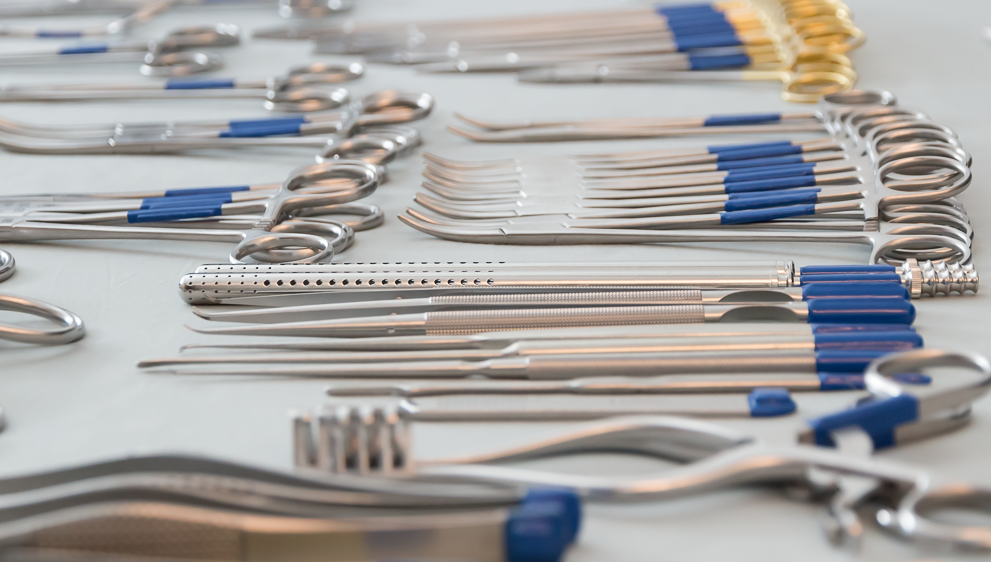
Typical surgical trays are often created to account for every scenario or surgical preference, which results in a large number of tools that go unused but still require cleaning, sterilization, and handling. This is time-consuming and creates unnecessary waste. Mente uses its RFID tracking system to reorganize trays, often reducing tray sizes by up to 50% without compromising patient care or clinical outcomes.
These reductions have significant environmental and organizational impact. Fewer instruments lead to fewer items to sterilize, which in turn lowers water consumption, energy use, and material waste. Simultaneously, streamlined trays create organization and reduce complexity across operating rooms and sterile processing departments, which improves efficiency and minimizes delays.
As healthcare systems evaluate their environmental impact, solutions that address both efficiency and sustainability should be at the forefront. Mente Medical shows that meaningful progress that aligns operational improvements with environmental responsibility is possible.


© 2025 mente Inc. All right reserved.