


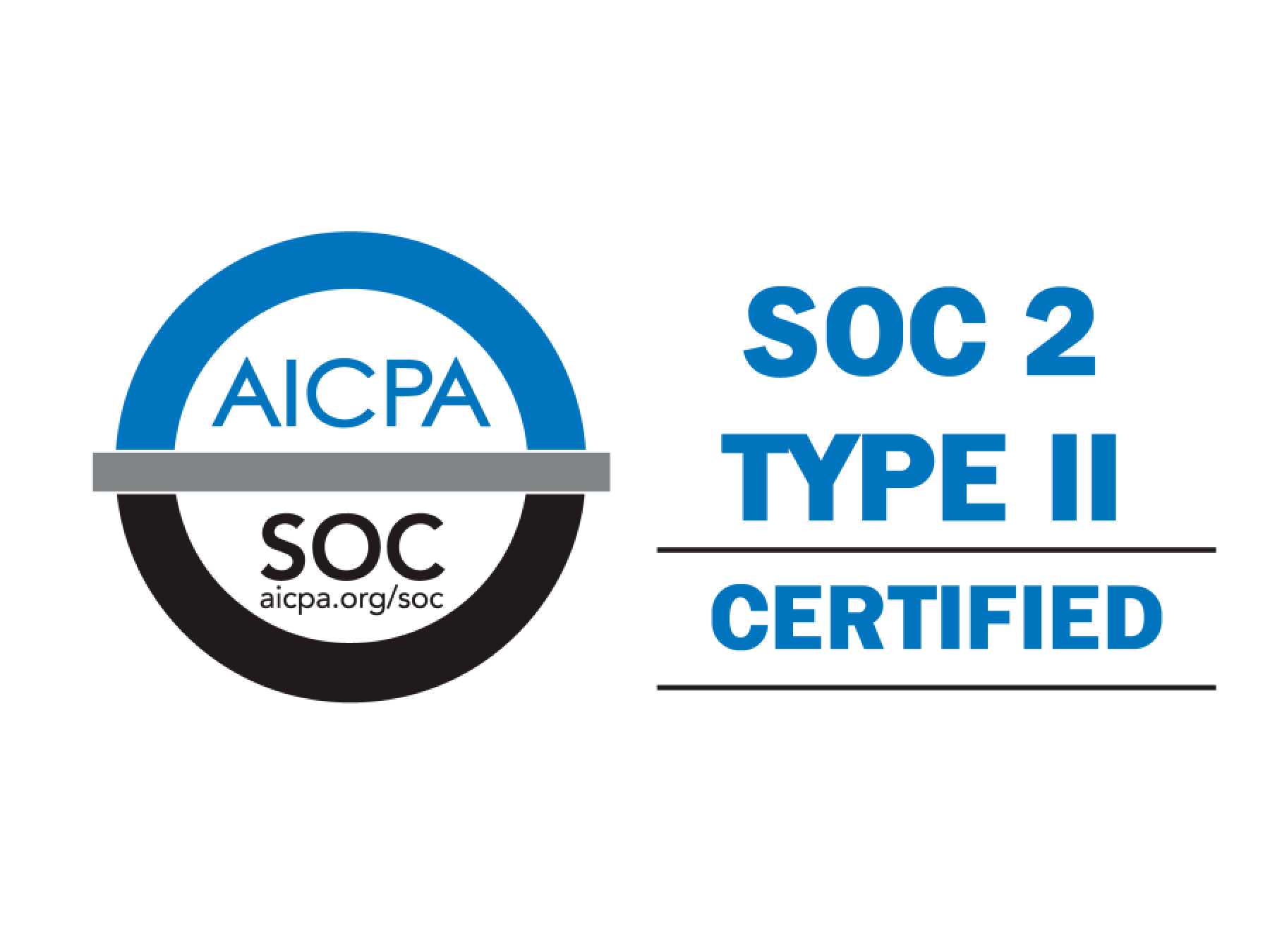
October 8, 2024 - Mente has achieved SOC 2 Type II certification covering the Trust Services Criteria of Security, Availability, and Confidentiality.
SOC 2 is an attestation framework performed by an independent auditor. A Type II report evaluates whether a company’s controls are designed appropriately and whether they operated effectively over a defined period of time, based on the Trust Services Criteria in scope.
In practice, this involves evidence review, control testing, and interviews across the organization.
Mente builds infrastructure for the operating room. Our platform helps teams understand instrument usage, streamline trays, and reduce unnecessary work for OR and sterile processing teams. That work depends on trust.
While Mente's services do not require any Protected Health Information (PHI), SOC 2 Type II certification provides customers and partners with assurances that Mente has formal controls in place to protect data and operate reliably as we scale across hospitals and health systems.
Ian Hill, CTO of Mente oversaw the preparation efforts:
This has helped create a mentality where we treat security as a core design constraint, not an afterthought. Now, we know our internal practices match the expectations health systems should demand from any technology partner.
SOC 2 Type II helps reduce friction during security reviews and procurement, and it signals maturity in how Mente manages risk and protects customer data. It also supports the compliance needs that many health systems require from vendors as they expand deployments across sites and service lines.
If your team needs our SOC 2 report as part of an evaluation, reach out through our site.
Mente is a surgeon-founded company building a data-driven operating room. We capture instrument usage automatically, then use that evidence to help hospitals and sterile processing teams supply fewer instruments while preserving clinical functionality and surgeon satisfaction.



© 2025 mente Inc. All right reserved.
